What is underutilised wood?
The transition to a circular bioeconomy and more sustainable construction practices requires a broader understanding of what are valuable wood resources. Within the WoodStock project, the term underutilised wood refers to wood that could be used to make long-lasting building products but is currently overlooked or mostly used in short-lived applications such as energy production or packaging.
Recognising how this wood is currently used is an important step in transitioning to a greener future. It can help reduce waste, support climate goals, and promote smarter use of natural resources. To better understand the possibilities, WoodStock has described four main categories of underutilised wood, based on EU classifications. These materials are often overlooked in conventional supply chains but hold significant potential for use in construction. By valorising these resources, WoodStock aims to extend the lifespan of materials that would otherwise go to waste or be used in less durable applications — contributing to a more sustainable and circular built environment.
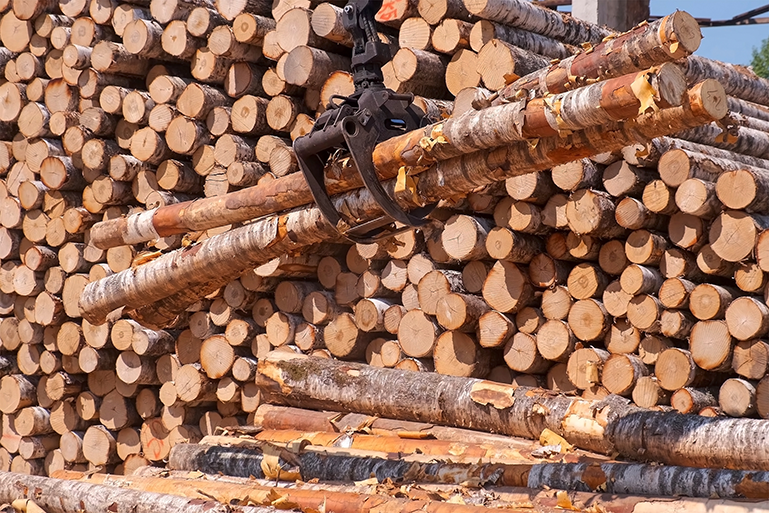
Hardwood
Hardwoods come from angiosperm, flowering, and non-coniferous trees and are known for their strength and durability. Despite these qualities and availability, they are often underused in buildings because they vary widely in appearance and structure, and can be harder to process than softwoods. With new technologies, however, hardwoods could become a key material in future sustainable buildings.
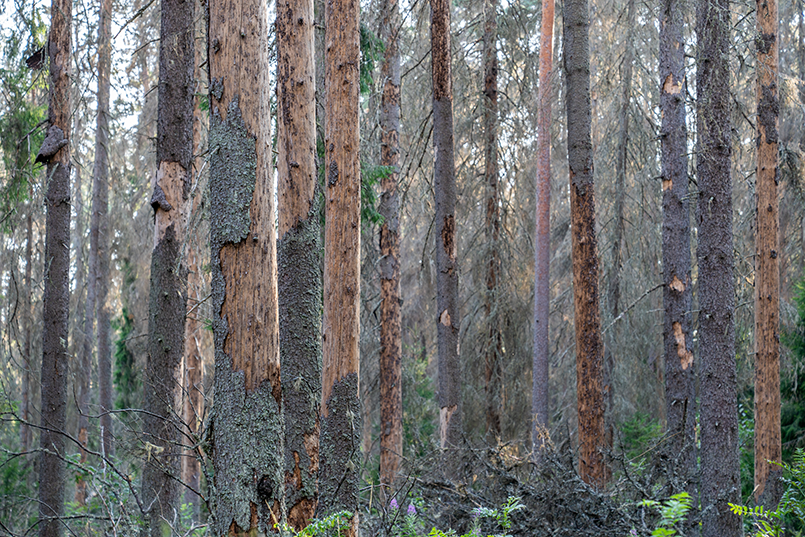
Damaged wood
This includes trees affected by storms, pests or droughts. Such wood may have visual flaws or reduced strength, making it harder to harvest and use. Yet much of its value can still be recovered through salvage harvesting. As climate change increases the amount of damaged wood, finding ways to use it effectively becomes more important.
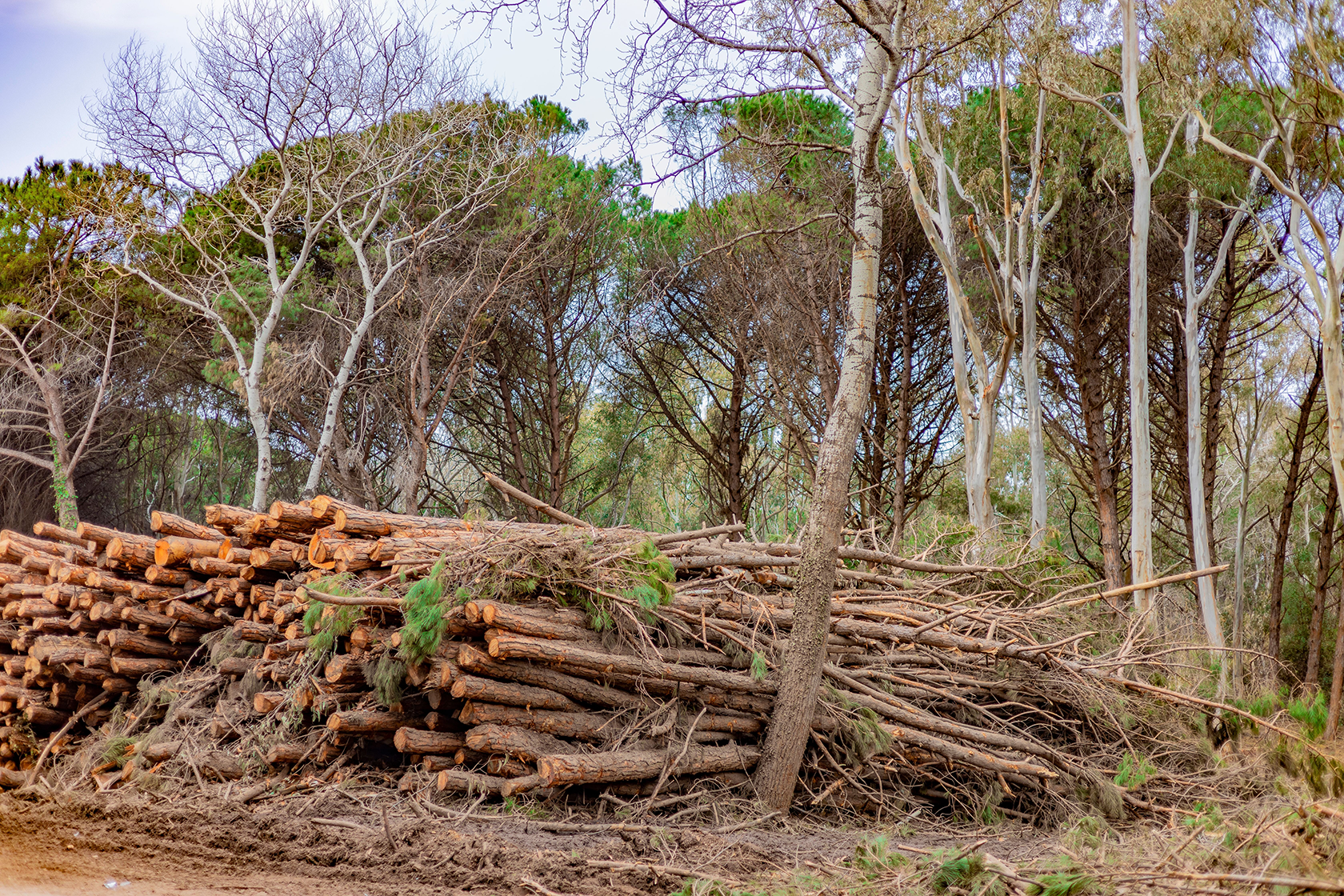
Low-quality wood
Wood from forest maintenance, small trees, leftover pieces from harvesting, and timber graded with low mechanical properties and excluded from structural application are called low-quality wood. Although it varies in size and strength, this wood can be versatile and strength-efficient. With the right processing, it could be used in both custom and standardised construction products.
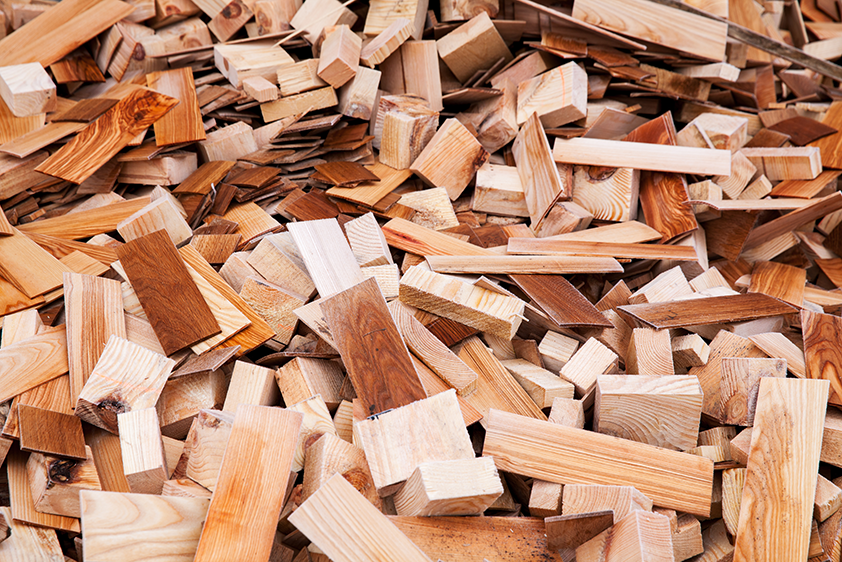
Post-consumer and residual wood
This category includes wood sourced from building demolition, old furniture, construction leftovers, and industrial by-products. Today, much of it is discarded or burnt because it is hard to sort, the size is inconsistent or it is contaminated. But with better processing systems, this wood could be reused in valuable ways, supporting a more circular economy.
By expanding the definition of what counts as ’useful’ wood, and by investing in better ways to process and apply it, underutilised wood can become a valuable part of the solution to environmental and resource challenges. This approach not only reduces waste but also helps create buildings that are more sustainable, efficient and beautiful.